Understanding Power of Attorney Documents: A Notary's Perspective


Power of Attorney (POA) documents are crucial legal instruments that grant someone the authority to act on behalf of another person in legal or financial matters. As a notary, understanding the nuances of these documents is essential for ensuring they are executed correctly and serve their intended purpose.

What is a Power of Attorney?
A Power of Attorney is a legal document that allows one person, known as the "principal," to appoint another person, called the "agent" or "attorney-in-fact," to act on their behalf. This can cover a wide range of actions, from managing financial affairs to making healthcare decisions.
It is important to differentiate between various types of POAs. Some are "general," allowing the agent broad powers, while others are "specific," limiting the agent to certain tasks. Additionally, there are "durable" POAs that remain in effect if the principal becomes incapacitated, and "nondurable" ones that do not.
The Role of a Notary in Power of Attorney
Notaries play a critical role in the execution of POA documents. Their primary responsibility is to verify the identity of the individuals involved and ensure that the principal is signing the document willingly and without coercion. This process helps prevent fraud and protects the interests of all parties.
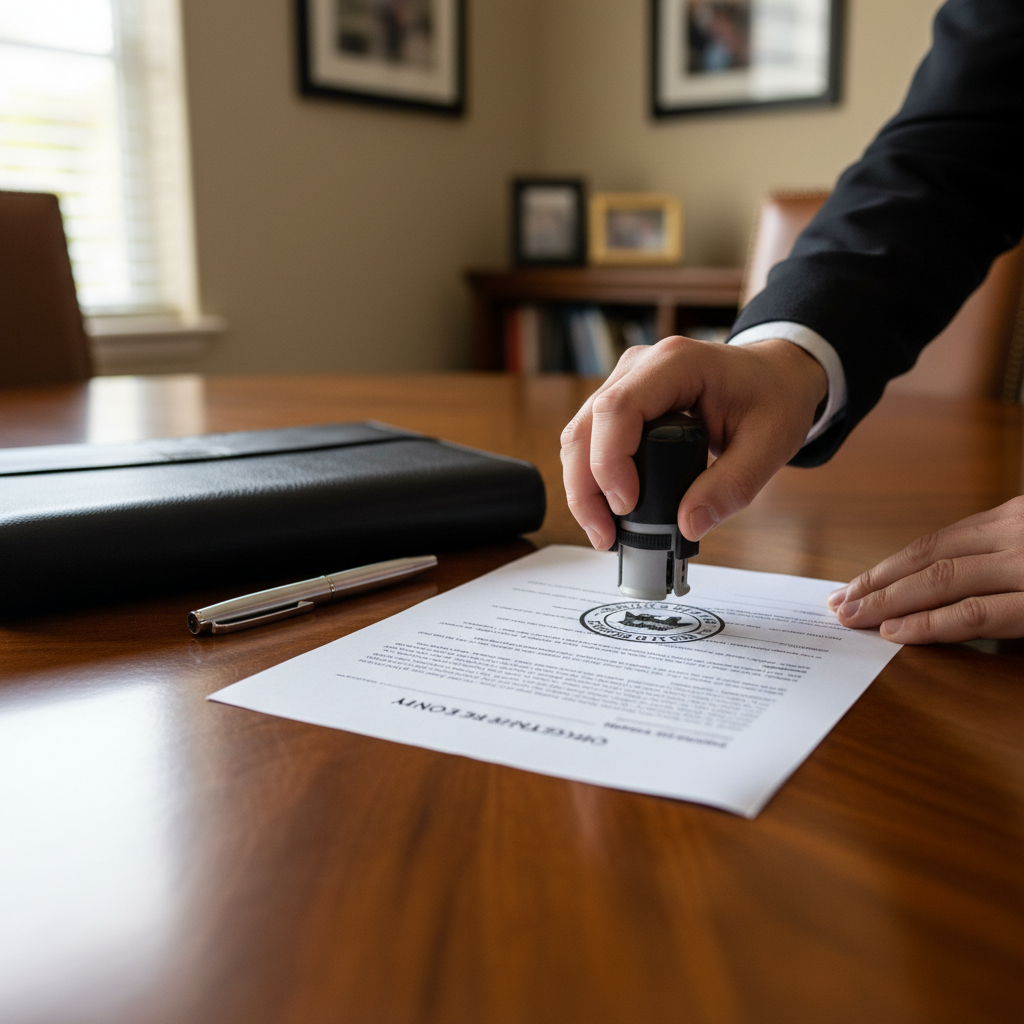
When notarizing a power of attorney, it's essential to check that the document meets all legal requirements in your jurisdiction. This may include verifying the presence of witnesses or ensuring the document is correctly formatted.
Common Challenges and Solutions
One common challenge notaries face is dealing with principals who may not fully understand the implications of granting a POA. As a notary, it’s important to ensure the principal is informed and aware of what they are signing. This might require a brief explanation or directing them to seek legal advice.
Another issue can arise with international POAs. These documents often have additional requirements, such as apostille certification. Understanding these nuances can help streamline the notarization process and avoid legal complications.

Ensuring Validity and Compliance
To ensure a POA document is valid, a notary must confirm that all elements, such as signatures, dates, and witness attestations, are present and correct. It is also crucial to be aware of any updates in state or national laws that might affect the validity of the document.
Finally, maintaining detailed records of each notarization can be invaluable. This documentation can serve as evidence of due diligence and protect against potential legal disputes.
Conclusion
Understanding Power of Attorney documents from a notary's perspective involves more than just witnessing a signature. It requires a comprehensive understanding of legal requirements, attention to detail, and a commitment to ethical practice. By mastering these aspects, notaries ensure the integrity and effectiveness of these vital legal tools.