Understanding Local Regulations for Notarization in Dane County


Introduction to Notarization in Dane County
Understanding local regulations for notarization is crucial for individuals and businesses in Dane County. Notarization serves as a fraud deterrent, ensuring that documents are signed by legitimate parties. In this blog post, we will explore the key aspects of notarization and how local regulations impact this process.
What is Notarization?
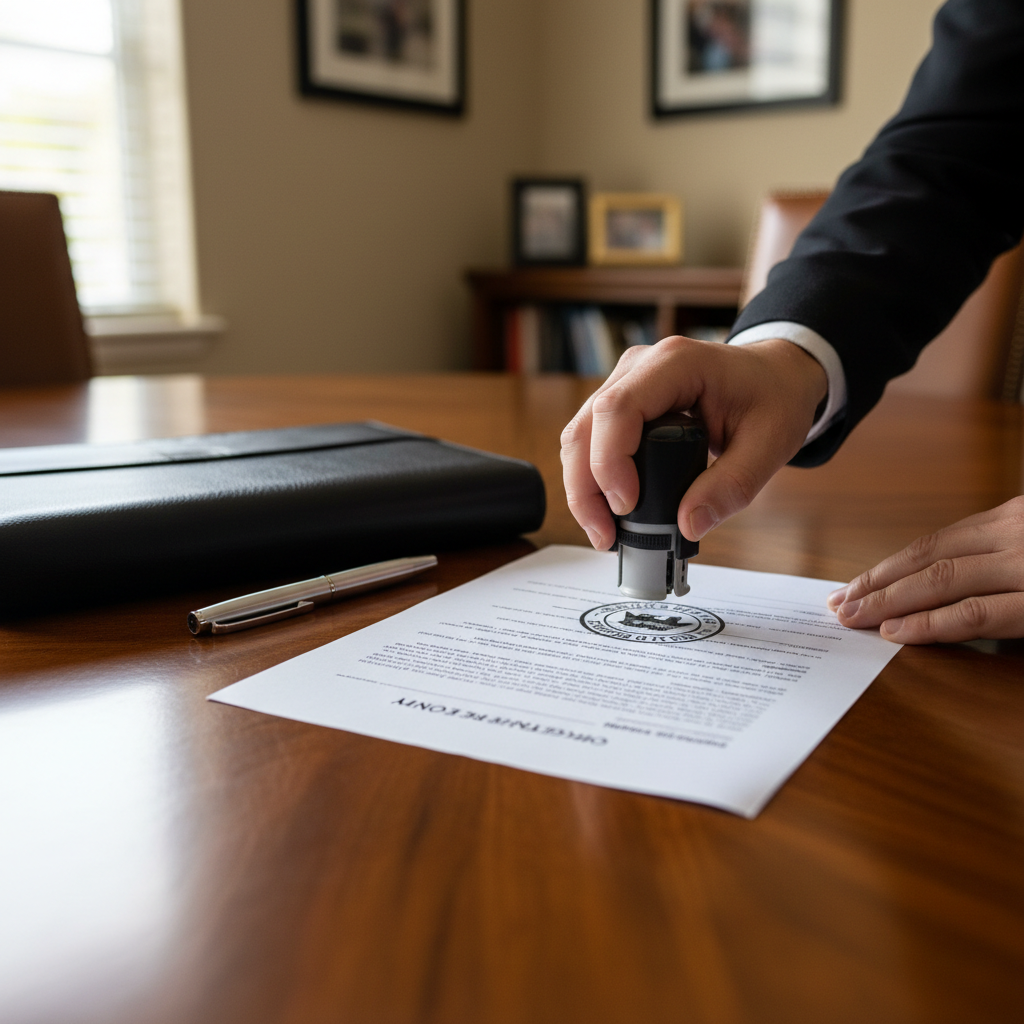
Notarization is a legal process that involves the witnessing of signatures on documents by a notary public. The notary ensures that the signers are who they claim to be and are signing willingly. This process helps prevent fraud and makes documents legally binding.
The Role of a Notary Public
In Dane County, a notary public is an official appointed by the state to serve as an impartial witness. They verify the identity of signers, administer oaths, and maintain a record of notarizations. Notaries play a critical role in various legal and financial transactions.
Local Regulations in Dane County
Dane County follows Wisconsin state laws regarding notarization, with some specific local nuances. It is essential to be aware of these regulations to ensure compliance and avoid potential legal issues.
Requirements for Notarization
To have a document notarized in Dane County, the signer must present a valid form of identification, such as a driver's license or passport. The document must be complete and without any blank spaces. Notaries are prohibited from offering legal advice unless they are also licensed attorneys.
Types of Documents Commonly Notarized
In Dane County, common documents requiring notarization include real estate deeds, affidavits, wills, and powers of attorney. Each document type has specific requirements, and it is crucial to ensure they are met before notarization.

The Importance of Compliance
Ensuring compliance with local notarization regulations is vital for the validity of your documents. Failing to adhere to these rules can lead to legal disputes and complications. Always check for the most current regulations and seek professional advice if needed.
Finding a Notary in Dane County
Finding a notary in Dane County is relatively straightforward. Many banks, law offices, and shipping centers offer notarization services. Additionally, mobile notaries are available to meet clients at their convenience.
Conclusion
Understanding the local regulations for notarization in Dane County is essential for anyone involved in signing legal documents. By ensuring compliance with these regulations, you can safeguard your transactions and avoid potential legal pitfalls. Stay informed and seek professional guidance when necessary to navigate the notarization process smoothly.