Understanding Estate Planning Documents: A Notary's Role in Power of Attorney and Wills


Estate planning can be a complex process, involving several key documents that ensure your wishes are honored and your assets are distributed as you intend. Among these documents, two of the most critical are the Power of Attorney and Wills. Understanding these documents and the role a notary plays in their execution is essential for a smooth estate planning process.
Understanding Power of Attorney
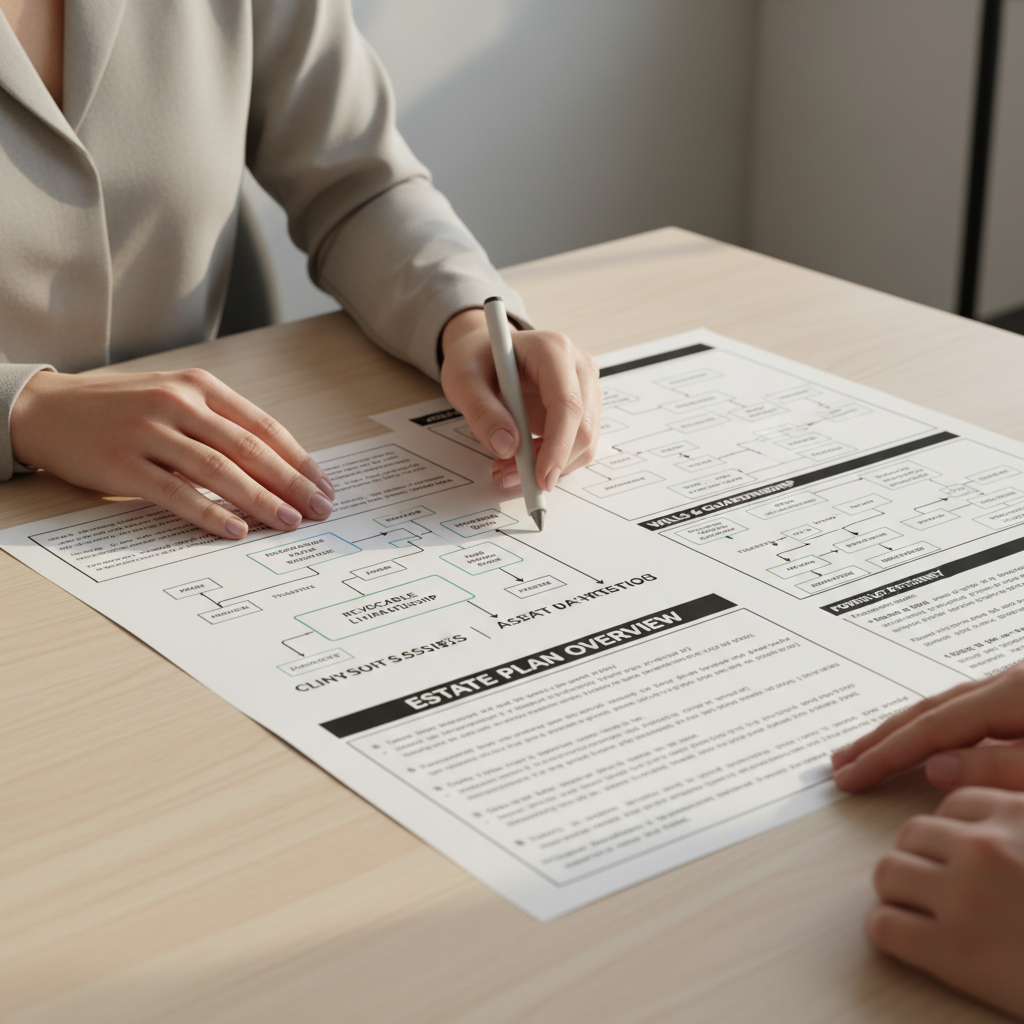
A Power of Attorney (POA) is a legal document that grants a designated individual the authority to act on your behalf in financial and legal matters. This individual, known as the "agent," can make decisions about your finances, property, and other assets. The scope of this authority can be broad or limited, depending on your preferences.
The Role of a Notary in Power of Attorney
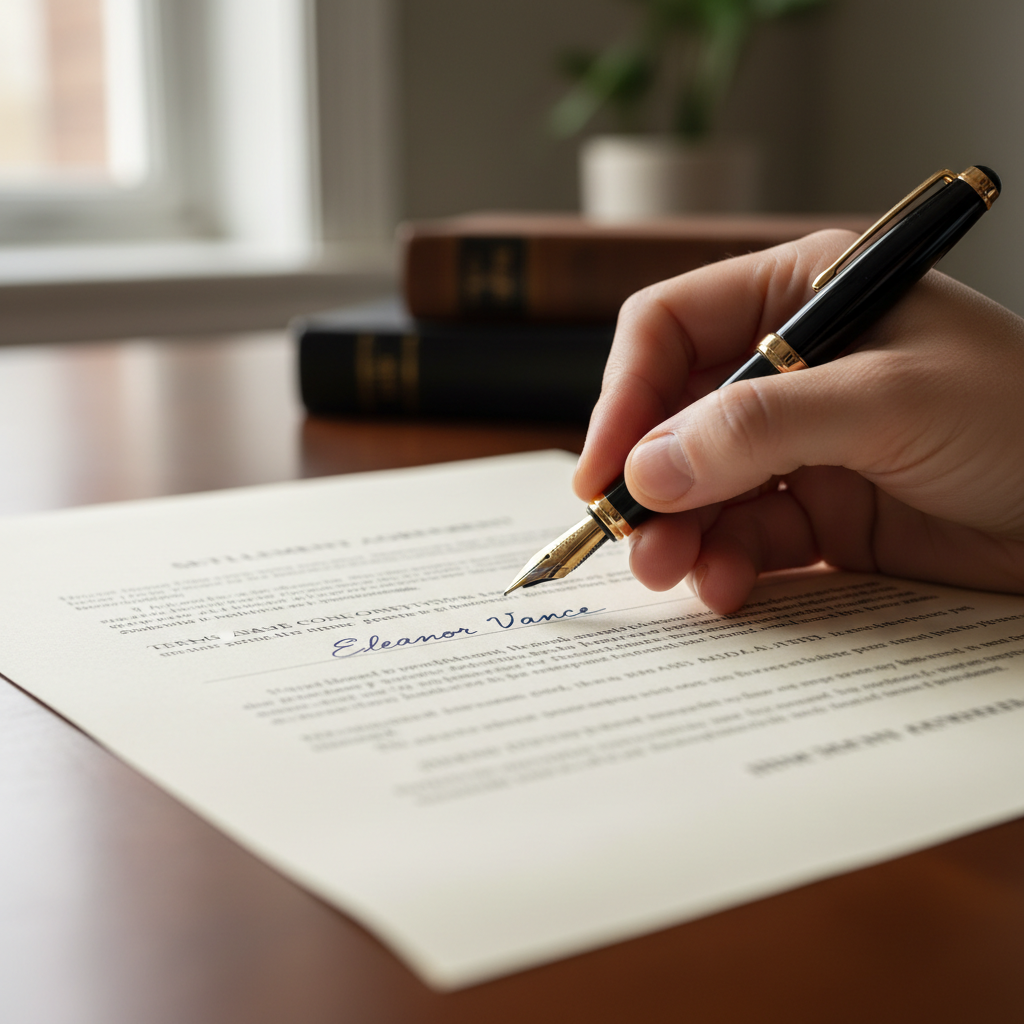
A notary public plays a crucial role in the execution of a Power of Attorney. By witnessing the signing of the document, a notary ensures that it is valid and legally binding. The notary also verifies the identities of the parties involved and ensures that the document is signed voluntarily and without duress.

Understanding Wills
A Will is a legal document that specifies how your assets will be distributed upon your death. It can include provisions for the care of minor children and instructions for funeral arrangements. Creating a Will is an important step in ensuring that your estate is handled according to your wishes.
The Role of a Notary in Wills
While not all states require a Will to be notarized, having a notary witness the signing can add an extra layer of authenticity and prevent challenges to the document's validity. A notary ensures that the Will is executed properly, with all parties understanding the document's contents and implications.
Benefits of Notarization
Notarizing estate planning documents offers several benefits:
- Prevention of Fraud: A notary helps prevent fraudulent activities by verifying identities and ensuring voluntary signing.
- Legal Assurance: Notarized documents are more likely to be upheld in court, providing peace of mind for all parties involved.
- Clarity and Precision: Notaries can clarify any legal jargon, ensuring that both the principal and agent fully understand the document.
Choosing the Right Notary
Selecting a qualified notary is crucial for the integrity of your estate planning documents. Look for a notary who is experienced in estate matters and understands the specific requirements of your state. Their expertise can provide guidance and assurance throughout the process.

Conclusion
Estate planning is a vital process that requires careful attention to detail. By understanding the roles of Power of Attorney and Wills, as well as the notary's role in these documents, you can ensure your wishes are respected and your loved ones are protected. Engaging a knowledgeable notary can provide the legal assurance needed to carry out your estate plan effectively.