Understanding Apostille Facilitation: A Step-by-Step Guide


What is Apostille Facilitation?
Understanding the process of apostille facilitation can be crucial when dealing with international documents. An apostille is a form of authentication issued to documents for use in countries that participate in the Hague Convention of 1961. This simplifies the process of legalizing documents by replacing the need for a lengthy certification process.
Whether you're planning to work abroad, get married in another country, or need to verify educational credentials, knowing how to obtain an apostille can save you time and stress.

Why is an Apostille Necessary?
An apostille ensures that your document is recognized as valid in a foreign country. This is especially important for legal documents such as birth certificates, marriage licenses, and academic transcripts. Without proper authentication, these documents may not be accepted, causing delays and potential legal issues.
It's important to understand that an apostille is not just a stamp. It verifies that the document is authentic and that the signature, seal, or stamp on the document is genuine.
Countries That Require Apostille
Only countries that are part of the Hague Apostille Convention require an apostille. These include most European nations, the United States, India, and Australia, among others. Always check whether your destination country is a member of this convention to determine if an apostille is needed.

The Apostille Process: Step-by-Step
Step 1: Identify the Document
First, identify which documents need an apostille. This can include personal documents like birth certificates or professional documents like diplomas. It's crucial to ensure the document is an original or a certified copy.
Step 2: Contact the Competent Authority
Each country has a designated authority that issues apostilles. In the United States, for example, this is typically the Secretary of State's office. Contact them to understand the specific requirements and fees involved.
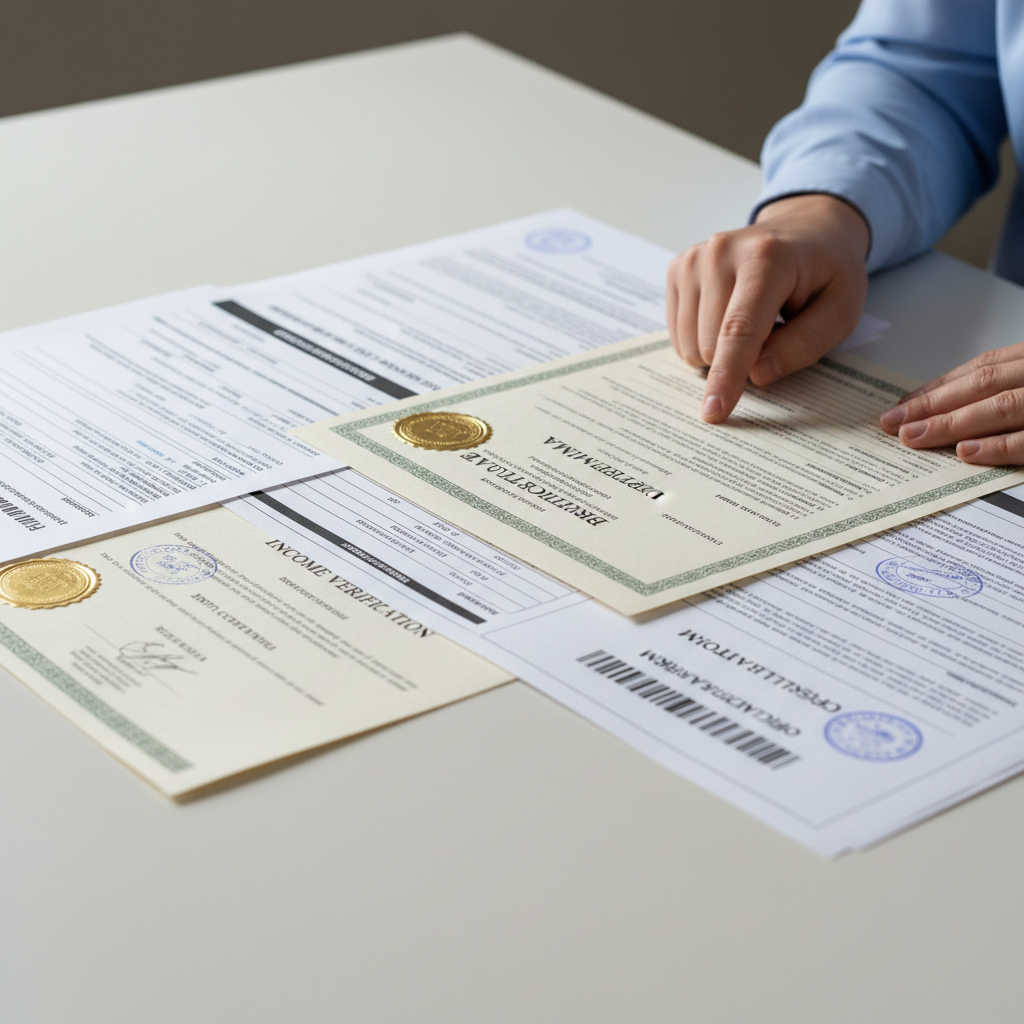
Step 3: Submission of Documents
Submit your documents to the competent authority, ensuring all necessary information is included. This might involve filling out an application form and paying a fee. Some authorities offer online services, while others require in-person visits or mail submissions.
Step 4: Receiving the Apostille
Once processed, the apostille will be attached to your document. This can take anywhere from a few hours to several weeks, depending on the authority's procedures and workload. Keep track of your submission to avoid unnecessary delays.

Common Challenges and Solutions
One common challenge in obtaining an apostille is dealing with incomplete or incorrect documents. Double-check all information before submission. If you're unsure about the process, consider hiring an apostille facilitation service to assist.
It's also important to plan ahead. Delays can occur, and having your documents ready well in advance of any deadlines can prevent last-minute stress.
Conclusion
Understanding apostille facilitation is essential for anyone needing to authenticate documents for international use. By following the outlined steps and being aware of potential challenges, you can ensure your documents are prepared efficiently and accurately.
Whether handling personal or professional documentation, having the correct apostille can make all the difference in achieving your international goals.