The Essential Guide to Notarizing Documents for Seniors in Dane County


Understanding the Importance of Notarization
Notarizing documents is a crucial process that ensures the authenticity and validity of important papers. For seniors in Dane County, understanding this process can be particularly beneficial when dealing with legal, medical, or financial documents. A notarization serves as a fraud deterrent and provides peace of mind that the documents are genuine.
In simple terms, notarization is the official fraud-deterrent process that assures the parties of a transaction that a document is authentic and can be trusted. It involves the signing of documents in front of a notary public, who acts as an impartial witness.
Common Documents that Require Notarization
Seniors often deal with documents that require notarization. These can include wills, power of attorney, advanced healthcare directives, and real estate transactions. Ensuring these documents are properly notarized is essential for them to be legally binding and recognized by institutions.
It’s important to identify which documents need notarization ahead of time. This will help avoid any last-minute hassles and ensure that everything is in order for your legal needs.
How to Find a Notary Public in Dane County
Finding a notary public in Dane County is relatively straightforward. Local banks, libraries, and postal services often offer notary services. Additionally, there are mobile notary services that can visit your home, which is a convenient option for seniors who may have mobility issues.
To locate a notary, you can also use online directories or contact local senior centers for recommendations. Always ensure that the notary you choose is licensed and in good standing.

What to Bring to a Notarization Appointment
When attending a notarization appointment, it's crucial to bring all necessary documents and a valid form of identification, such as a driver's license or passport. This identification verifies your identity and ensures the notarization process can proceed smoothly.
Some notaries may require additional documentation, so it’s wise to call ahead and confirm what you'll need to bring. Ensuring you have everything prepared can save time and avoid any potential issues.
Understanding the Notarization Process
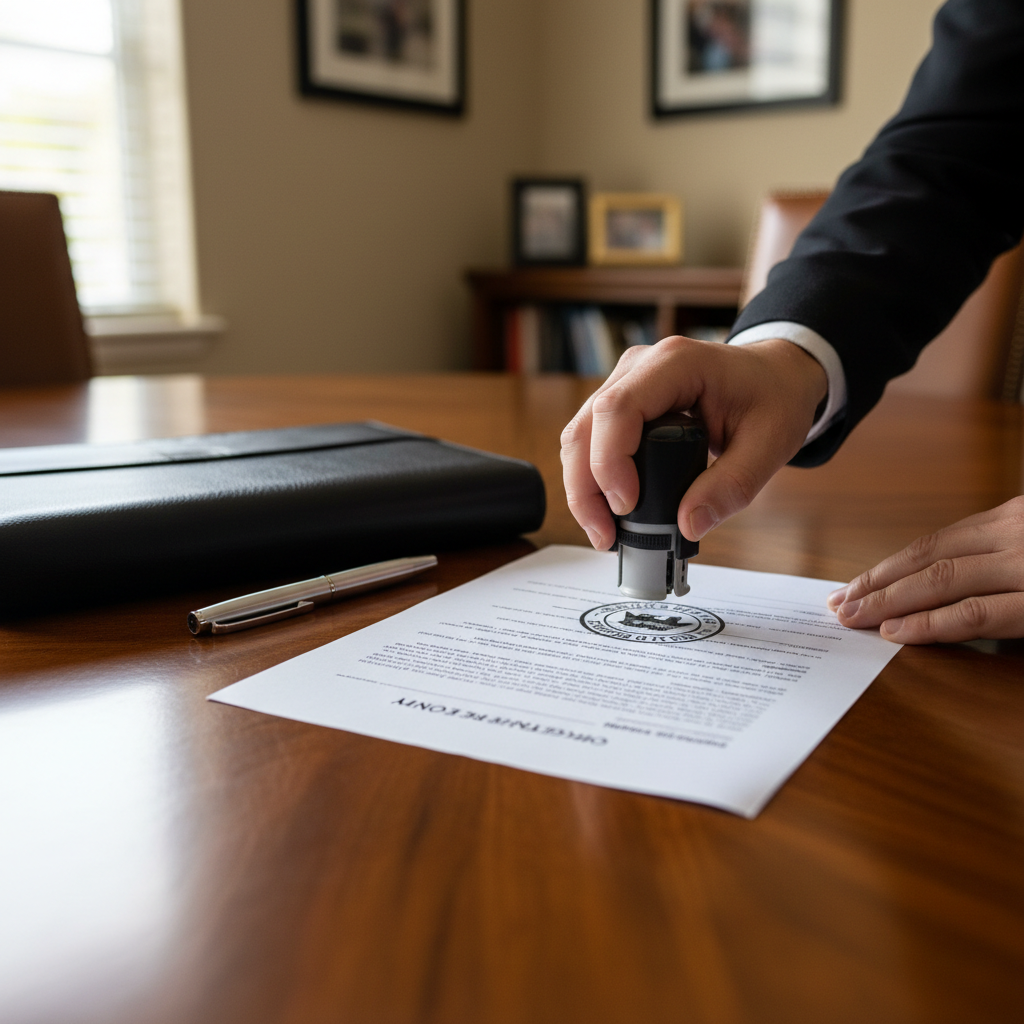
The notarization process involves the notary public verifying your identity, witnessing your signature, and applying their notarial seal or stamp. This seal signifies that the notary has verified your identity and that you signed the document willingly.
It’s a straightforward process, but it’s vital to ensure that all details in the documents are correct before signing. Once notarized, the document is considered legally binding.
Costs and Considerations
The cost of notarizing documents can vary. Some places offer free or discounted services for seniors, especially at banks or community centers. Always inquire about fees beforehand to avoid surprises.
Additionally, consider the location and accessibility of the notary services. For those with limited mobility, a mobile notary can be a more convenient option, even if it comes at a slightly higher cost.
Frequently Asked Questions
Many seniors have questions about the notarization process. Common inquiries include how long notarization takes, what to do if a document is rejected, and whether a notary can provide legal advice. It’s important to remember that notaries are not legal advisors, and their role is limited to verifying identities and witnessing signatures.
If you have specific legal questions, it’s best to consult with a lawyer who specializes in elder law to ensure you receive comprehensive guidance.