Case Study: Successful Document Signings in Madison's Hospitals


Introduction to Document Signing in Healthcare
In the fast-paced environment of healthcare, efficient and secure document signing processes are crucial. Madison's hospitals have successfully implemented innovative solutions to streamline document signings, enhancing both patient care and administrative efficiency. This case study explores the strategies and technologies that contributed to their success.

The Challenge: Traditional Document Signing
Traditional document signing in hospitals often involves manual paperwork, which can be time-consuming and prone to errors. This outdated process can delay patient care and increase administrative burdens. Madison's hospitals recognized the need for a more efficient system to handle the large volume of documents requiring signatures daily.
Identifying Key Areas for Improvement
Key areas identified for improvement included reducing wait times for document processing, minimizing errors, and ensuring compliance with regulations. By focusing on these areas, the hospitals aimed to enhance the overall patient experience and streamline their operations.
Implementing Digital Solutions
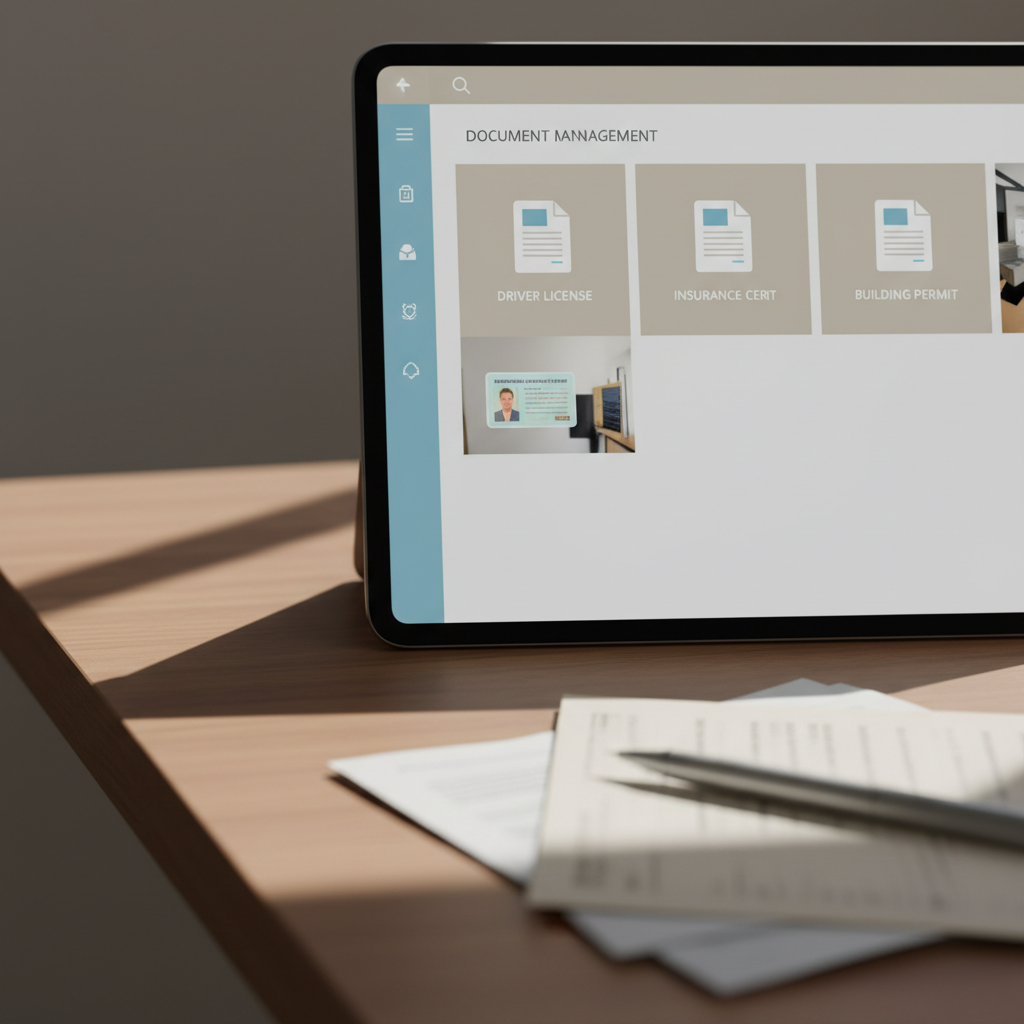
The hospitals adopted digital signature solutions that allowed for secure, electronic signing of documents. This transformation involved integrating digital platforms that were compatible with existing hospital information systems, ensuring a seamless transition from paper-based to digital processes.
Benefits of Digital Signatures
The shift to digital signatures brought numerous benefits, including:
- Increased Efficiency: Reduced time for document processing and approval.
- Improved Accuracy: Minimized errors associated with manual entries.
- Enhanced Security: Digital signatures provided a secure way to authenticate documents.
Training and Adoption
Successful implementation required comprehensive training for staff to ensure smooth adoption. The hospitals conducted workshops and provided resources to help employees become proficient with the new system. This proactive approach facilitated a quicker transition and increased staff confidence in using digital tools.
Overcoming Resistance to Change
While the new system promised numerous benefits, initial resistance to change was anticipated. Addressing concerns through open communication and demonstrating the ease and advantages of digital signatures helped in gaining staff buy-in.
Results and Impact
The implementation of digital signature solutions in Madison's hospitals resulted in marked improvements. Document processing times were significantly reduced, and the accuracy of records improved. These changes led to better patient care and enhanced operational efficiency.
Feedback from Staff and Patients
Feedback from both staff and patients has been overwhelmingly positive. Staff appreciated the reduced paperwork and increased efficiency, while patients experienced shorter wait times and more streamlined processes.

Conclusion
The successful transition to digital document signing in Madison's hospitals serves as a model for other healthcare institutions. By embracing technology and focusing on training and communication, hospitals can achieve significant improvements in both patient care and administrative operations.